
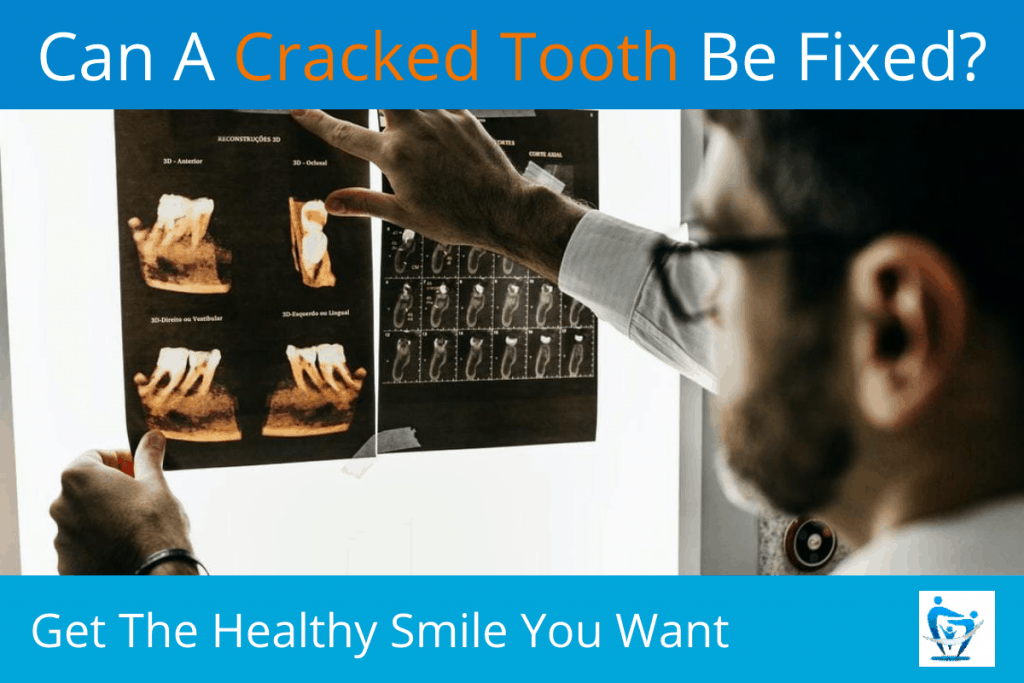
Ever felt a sudden sharp twinge while opening that bottle cap and instantly panicked about what to do next? A cracked tooth can make you wonder, “Can a cracked tooth be fixed?” The short answer is yes, a cracked tooth can be fixed, but the right treatment depends on the type of crack.
If you’re wondering what to do when you chip a tooth, or if your cracked tooth can be saved, this guide will help you decide with the next important steps.
1. Are The Tiny Cracks Something to Worry About?
Ever noticed faint little lines on your front teeth when the light hits just right? These are called dental craze lines, and they’re one of the most common reasons people visit dentists with a concern.
What do dental craze lines feel like?
- No pain
- Nothing sharp
- Just a visible line that’s more annoying than dangerous
If this is your situation, breathe easy because your tooth is safe. Fixing a dental craze line is often quick, simple, and cosmetic.
Why does it happen?
Age, temperature changes, biting on hard foods, and teeth grinding. These are all very common for busy Australian lifestyles.
Best treatment options for craze lines?
- Polishing or cosmetic bonding
- Observation during routine check-ups
- Night mouthguard if grinding is the cause
2. What to Do When You Chip a Tooth Suddenly?
Chipped a tooth on a bottle, fork, tough bread crust, or during sport? This is called the Incisal chip where many people freeze and don’t know what to do when you chip a tooth.
Does this sound familiar?
- You feel a sharp edge
- A sip of cold water stings a little
- You’re worried about smiling
It is important that you preserve the chipped piece. If found, place it in milk and bring it along to your dental consultation. It can be reattached in some cases.
Why does it happen?
An accidental injury or when biting an extremely dense or sharp object with the edge of your teeth.
Best treatment options for an Incisal chip?
- Composite bonding (looks natural and restores shape in one visit) when small chipping is experienced
- Dental Veneers during more significant chipping
- Night mouthguards, if grinding due to bruxism is the cause
3. Does It Hurt When You Bite Down in One Spot?
A fractured cusp is one of the most overlooked types of Cracked Tooth injuries. It often starts with a small piece breaking off around a filling.
Ever experienced this?
- Do you feel a sharp pain ONLY when biting on something hard, like nuts? If yes, this might be your case.
This type has an excellent prognosis when treated early. In fact, one of the easiest kinds of cracked teeth to save at our St Clair dental clinic.
Why does it happen?
Old fillings, teeth weakened from grinding, or simply biting something unexpectedly firm.
Best treatment options for a fractured cusp?
- Dental Crowns or Dental Onlays to rebuild strength
- Replacement of old filling if necessary
4. When the Tooth Hurts on Pressure Release and Not During Pressure Application
A true cracked tooth (vertical crack) is more serious. This is when people urgently search “Can a cracked tooth be fixed?” because the symptoms are confusing.
What are the common signs?
- Pain when you release your bite
- Sensitivity to cold or sweet foods
- Pain that comes and goes
These cracks can reach the nerve if left untreated, and therefore, timing is everything in this case. Emergency dental care can help you save the tooth.
Why does it happen?
Grinding and clenching (very common in stressed adults), old fillings, teeth weakened from grinding, sudden temperature changes (hot drink followed by cold drink).
Best treatment options for a vertical crack?
- If attended early, only a Dental Crown can be considered
- If the nerve is affected, then a Root Canal + Dental Crown might be required
- If the crack is too deep, then extraction and Cosmetic Dentistry can be a promising solution
5. When the Damage Is Hidden Below the Gum
Root fractures are invisible without scans. Most people don’t know they have one until pain or infection kicks in. Trauma is the biggest cause here.
What should you look out for?
- Swelling
- Abscess
- Darkening of the tooth
- Mobility
This condition often develops when someone ignores earlier cracking symptoms and procrastinates on a dental visit. Once the tooth splits into sections, saving it becomes extremely difficult, but replacing it restores confidence and function.
Why does it happen?
Long-term untreated cracks, a vertical crack that worsens with daily chewing, structural weakness from large fillings, impact from sport or an accidental blow.
Best treatment options for a root fracture?
Suffering From a Cracked Tooth?
Simple habits cut the risk of a cracked tooth:
- Wear a mouthguard during contact sports.
- Avoid chewing ice or very hard foods.
- If you clench or grind your teeth (bruxism), ask about a night guard.
So, can a cracked tooth be fixed? Usually, yes. Quick, sensible first aid and timely dental care greatly improve outcomes. At our St Clair dental clinic, we’ll guide you through the steps and restore your smile with comfort and compassion.
If you’re unsure what to do when you chip a tooth, call Your Healthy Smile Dentists at (02) 9670 6991 or book an emergency consultation where we treat you on priority.
FAQs
Q1. Can a cracked tooth heal on its own without treatment?
No. Teeth cannot regenerate or knit together like bone. Once cracked, the tooth structure remains weakened. Treatment prevents the crack from spreading and protects the nerve from infection.
Q2. How quickly should I see a dentist after chipping or cracking a tooth?
Ideally, within 24 to 48 hours, especially if you feel pain, sensitivity or notice a visible break. Even if you are beyond the 48-hour mark, professional dental care improves your chances of saving the tooth and reduces the risk of needing a root canal later.
Q3. What foods should I avoid if I suspect I have a cracked tooth?
Until you’re seen by a dentist, avoid:
- Hard foods like nuts, ice, hard lollies
- Very chewy foods like toffees
- Biting directly on the affected side
Soft, lukewarm foods are safest until diagnosis and treatment.
Q4. Will I need a root canal if my tooth is cracked?
Not always. A root canal is only required if the crack reaches the pulp (nerve). Shallow cracks can often be restored with a crown alone. An assessment and X-ray help determine how deep the damage is.
Q5. Can a cracked molar be saved, or will an extraction be required?
Most cracked molars can be saved if diagnosed early at our St Clair dental clinic. Crowns and root canal therapy are common treatments that can be considered. Extraction becomes necessary only when the crack extends below the gum line or splits the tooth into separate parts.