
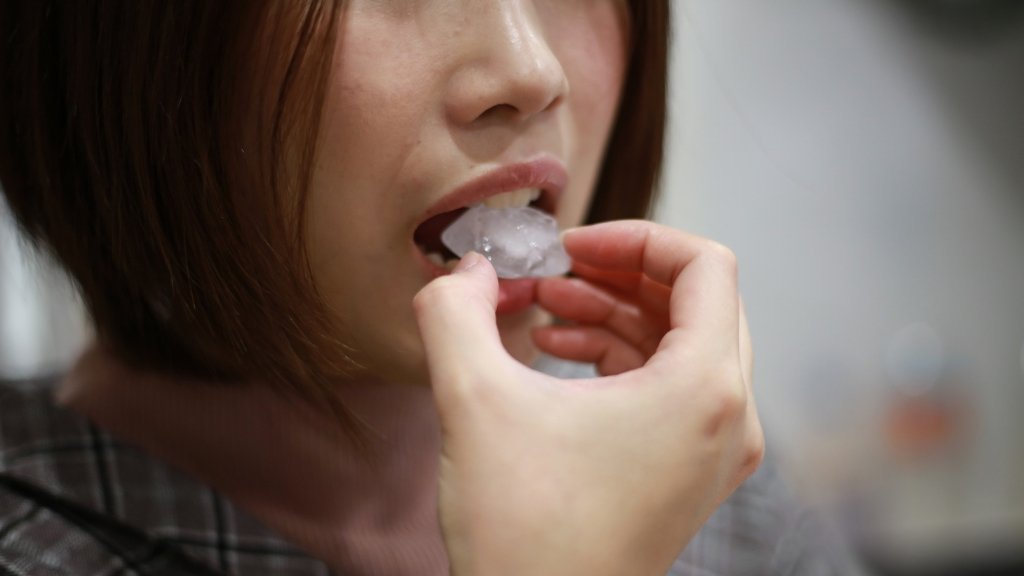
While free of sugar and calories, the habit of chewing ice, known as pagophagia, is far from harmless. Beyond the immediate risk of cracked enamel and dental wear, its craving also points towards iron deficiency.
Understanding the Risks of Chewing Ice
Our teeth are designed to withstand the pressure of chewing, but they are not suited to the extreme hardness and low temperatures of frozen objects.
If you can’t seem to stop reaching for the ice tray, it’s time to learn why this habit forms, its harms, and ways to transition towards safer alternatives.
Here is what our article will cover:
- What Chewing Ice Does To Your Oral Health
- Signs of Dental Wear After Chewing Ice
- Links of Pagophagia With Anaemia
- Steps to Discourage The Habit of Chewing Ice
- The Role of Preventive Dentistry
What Chewing Ice Does To Your Oral Health
1. The Impact On Your Enamel
When you chew ice, your jaw muscles exert force against the hard surface. This triggers microscopic stress fractures that often lead to increased tooth sensitivity and a breeding ground for pathogens.
Over time, these invisible stress lines can deepen into significant cracks that threaten your tooth’s vitality. These tiny fissures are the primary reason why chewing ice is bad for you, as they eventually compromise the entire tooth structure.
2. Thermal Stress and Micro-Fractures
Our teeth expand and contract when exposed to temperature changes.
The extreme cold of ice, followed by the warmth of the mouth, can cause the enamel to undergo thermal shock. This often results in increased sensitivity and can even weaken the bond of existing dental work.
Since immediate pain is not experienced, patients ask us, “Is chewing ice bad for teeth?”. The answer lies in the cumulative thermal fatigue, which progressively erodes your tooth’s resilience.
3. Damage to Restorations
Restorative materials do not offer the same utility as natural tooth tissue. If you have previously invested in fillings, crowns, or veneers, the risks of chewing ice are significantly raised.
Your Healthy Smile Dentists find that this mechanical vibration also impacts the dental work in the past. The pressure and cold can cause fillings to dislodge or crowns to chip, necessitating a dental check up and clean visit to assess and repair the damage.
Signs of Dental Wear After Chewing Ice
1. Generalised occlusal attrition
Ice chewing can result in flattened biting surfaces across the entire arch. We observe that this premature wear reduces the height of your teeth and can eventually alter your natural bite alignment.
2. Surface texture changes
Many patients first notice a jagged or uneven feel when running their tongue over their teeth. This physical change is a primary reason why chewing ice is bad, as these rough edges become catch points for further fractures.
3. Hypersensitivity
A sudden, sharp sensation when consuming hot or cold substances often indicates that your protective enamel has thinned. When you ask, is chewing ice bad for teeth, this sensitivity is a clear clinical warning that your nerve pathways are becoming exposed.
4. Micro-fractures and craze lines
Under specialised lighting, we can identify vertical stress lines. These lines are the direct result of the mechanical vibrations and thermal shocks caused by crunching the frozen cubes.
5. Gingival trauma
Beyond the teeth, clinical signs include small gum lacerations. These injuries occur when sharp shards of ice are pressed into your delicate gingival tissue during biting.
Links of Pagophagia With Anaemia
It is surprising how the brain expresses imbalances in our bodies. The urge to chew ice could also be a clinical manifestation of iron-deficiency anaemia.
Studies indicate that the cooling sensation of ice may trigger a dive reflex, increasing peripheral blood flow to the brain.
Interestingly, for an anaemic individual, this temporary boost in alertness and cognitive function offsets the general fatigue.
How to Discourage The Habit of Chewing Ice
Breaking the cycle of chewing ice involves addressing the oral urge while protecting dental structure. Before your consultation, some of the strategies below could be considered:
| Strategy | What It Means for You | Expected Outcome |
| The Gentler Alternatives | Swap hard cubes for a slushie or shaved ice. It satisfies the craving while being far gentler on your teeth. | Minimises peak pressure on enamel, lowering the risk of cracks and sensitivity. |
| Dietary Supplementation | If you frequently crave ice, consider checking iron or zinc levels and correcting deficiencies where needed. | Cravings often fade within weeks once the underlying deficiency is addressed. |
| Sugar-Free Gum | Use gum as a substitute when the urge to chew hits. It keeps your mouth active without damage. | Boosts saliva, supports enamel protection, and offers you a safer chewable alternative. |
The Role of Preventive Dentistry
Identifying the underlying reasons for chewing ice is just as important as treating the physical symptoms.
That is why discussing your latest blood reports forms an important part of preventive dentistry.
Additionally, if you have an active menstrual cycle, it is advisable to maintain your haemoglobin markers as well.
Your Healthy Smile is All That Matters
During a dental check up and clean session, Your Healthy Smile Dentists can offer a thorough evaluation of your report and gentle measures to prevent enamel wear. This helps you address it escalating into a dental emergency.
Schedule your appointment or find us by searching for a ‘dental clinic near me’ if you are located near St.Clair, NSW.
FAQs
Q1. Why does one crave ice during pregnancy?
Ice cravings during pregnancy are frequently linked to iron-deficiency anaemia, which is common as blood volume increases to support the foetus. If you experience this, it is essential to consult your midwife or GP for a blood test.
Q2. Is ice chewing particularly dangerous for people with braces?
It is highly detrimental. Ice can easily dislodge metal brackets, bend archwires, or break the adhesive bonds used in orthodontic treatments. This often results in emergency dental appointments and prolonged treatment times.
Q3. Can ice chewing cause chronic headaches?
Yes. The intense pressure required to crunch ice can strain the masseter muscles and the temporomandibular joint (TMJ). This muscular tension often radiates, leading to tension-type headaches or facial pain.
Q4. Is chewing frozen fruit a safer alternative?
Frozen fruit like bananas are generally softer than ice, but they introduce sugars and acids to our teeth. While better for the ‘crunch’ factor, the combination of coldness and natural acids can still lead to enamel softening and decay.
Q5. Is ice chewing linked to stress or anxiety?
For some, pagophagia serves as a coping mechanism for stress or a symptom of Obsessive-Compulsive Disorder (OCD). The sensory input of the crunching and cold sensation can provide a temporary grounding effect during periods of high anxiety.
Reviewed By Dr. Lekha Menon