
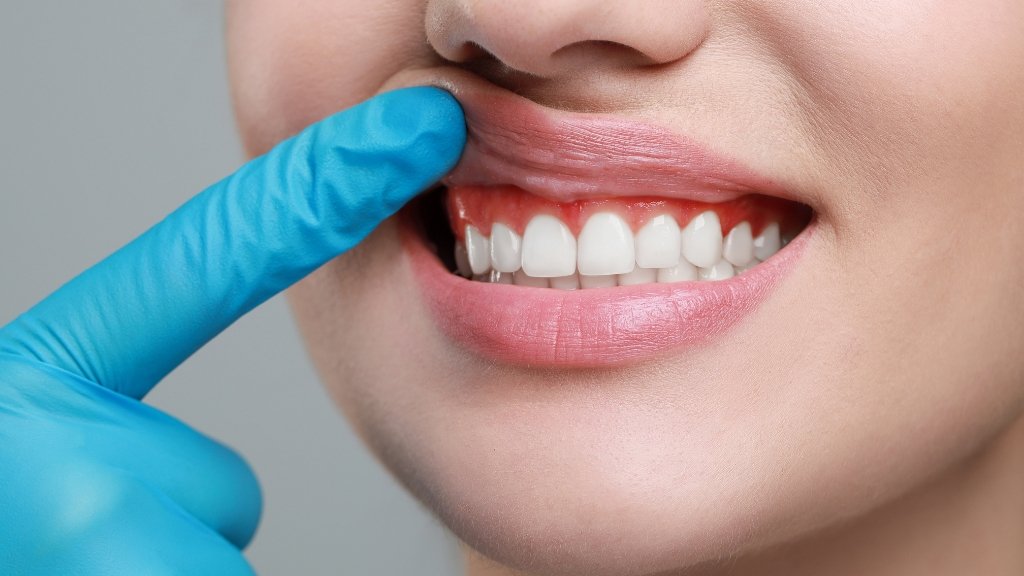
Ever looked in the mirror and noticed your gums pulling away from your teeth? Or perhaps your teeth seem longer than they used to be? Receding Gums are one of the most common dental concerns that have Australians asking dentists, “Can receding gums actually grow back?”
This article will help you understand what’s really happening, what the stages of receding gums mean, and how modern dentistry can help restore your smile’s health and confidence.
What Are Receding Gums?
Your gums act like a natural seal around your teeth, protecting the roots beneath. When this tissue starts to wear away or pull back, more of the tooth becomes exposed, that’s what we call receding gums.
In many cases, it starts slowly, perhaps a bit of sensitivity or a slight hole in gum near one tooth. Over time, if untreated, gum recession can progress through different stages and even affect your bone support.
Receding gums don’t grow back naturally, but preventive dentistry offers reliable ways to reduce the risk of occurrence, whereas a dentist can help you stop their progression and restore gum health.
Why Do Gums Recede?
Ever wondered why your gums might start to recede even when you brush daily? Here are the most common reasons:
- Gum disease: Bacteria from plaque gradually weaken gum attachment.
- Brushing too hard: Using firm bristles or a rough technique can wear the gum line.
- Grinding or clenching (bruxism): Puts constant stress on gums.
- Genetic factors: Some people naturally have thinner gums.
- Hormonal changes: Pregnancy and menopause can make gums more sensitive.
- Smoking: Reduces blood flow and slows gum healing.
Each of these factors plays a role, but they can all be managed with timely preventive dentistry.
The Stages of Receding Gums Reveal How Far It Has Gone
Did you know? According to the Australian Institute of Health and Welfare, around one in three adults over 35 experience some level of gum recession or gum disease. The good news is that most cases are manageable with the right care.
Understanding where you stand is key to deciding the next step. Your Healthy Smile Dentists mention it all for your reference in this nifty table below.
|
Stage |
What You Might Notice |
What’s Happening? |
What Can You Do? |
|
Stage 1 Early Signs |
Gums appear slightly pinker or thinner near one or two teeth. You might feel slight sensitivity to cold foods or brushing |
Plaque buildup begins to irritate gum edges. |
Schedule a check-up and professional cleaning; adopt gentle brushing and flossing habits. |
|
Stage 2 Mild to Moderate Recession |
Noticeable gum line unevenness; some teeth appear longer. The sensitivity increases along with occasional bleeding, or a hole in gum near affected areas. |
Gums start detaching from tooth surfaces; shallow pockets form. |
Deep cleaning (scaling and root planing) and desensitising toothpaste recommended. |
|
Stage 3 Advanced Recession |
Gums appear visibly pulled away from several teeth You will face frequent bleeding, tenderness, or bad breath. |
Bone and connective tissue loss around tooth roots. |
Periodontal therapy or soft tissue grafting may be needed. |
|
Stage 4 Severe Recession |
Large areas of exposed roots with possible gaps between teeth. A persistent pain, tooth movement, and visible bone loss can be seen. |
Severe tissue and bone loss threaten tooth stability. |
Surgical gum grafts, laser therapy, or periodontal regeneration advised. |
The Australian Connection to Why Regular Dental Visits Matter
Across Australia, gum health often takes a back seat until pain appears. Yet, a simple web search and regular visits to the ‘best dentist near me’ can reduce gum disease and tooth loss by nearly 40%, according to national oral health data.
Also, a hole in gum can be alarming, but it’s often a small pocket caused by plaque build-up or mild infection. However, ignoring it can lead to bigger issues like gum infections and bone loss.
So, the next time you think, “I’ll wait a bit longer,” remember, the earlier you act, the simpler and cost-effective your treatment will be.
So, Do Receding Gums Grow Back Naturally?
Once gum tissue has receded and the root is exposed, it doesn’t grow back on its own. However, that doesn’t mean you’re out of options. Dentistry today offers several effective solutions to repair and restore your gum line.
You can:
- Stop further recession through improved cleaning techniques, gentle brushing, and professional cleanings.
- Encourage healing with non-surgical treatments like scaling and root planing.
- Restore lost gum using soft tissue grafts or modern procedures like the pinhole surgical technique.
The earlier you see our dentist in St Clair, the easier it is to protect your gums before recession advances.
A Healthy Smile Starts with Healthy Gums
Gum recession need not be a crisis. With good preventive dentistry, early intervention, and access to skilled dental care, most people can protect their teeth, reduce sensitivity, and restore confidence. And while receding gums don’t grow back naturally, modern dental science offers reliable solutions.
At Your Healthy Smile Dentists, our caring team combines evidence-based treatments with gentle techniques that put patient comfort first. Through our preventive dentistry, early diagnosis, and personalised care, you can maintain strong gums for life. Book your appointment and explore the options available for you.
FAQs
Q1. Are Receding Gums Reversible with Treatment?
Mild gum recession can be improved through professional cleaning and gum reattachment therapies, but advanced stages may require grafting.
Q2. How Can I Tell What Stage My Receding Gums Are In?
Check for symptoms like sensitivity, bleeding, longer-looking teeth, or a hole in gum. Only a dentist can accurately determine the stage.
Q3. What Is the Best Treatment for Receding Gums?
Treatments vary from scaling and root planing to surgical grafts, depending on the severity and stage of gum recession.
Q4. Can Poor Oral Hygiene Worsen Receding Gums?
Yes. Neglecting brushing, flossing, and regular cleanings accelerates bacterial damage, deepening gum pockets and worsening recession.
Reviewed By Dr. Lekha Menon