
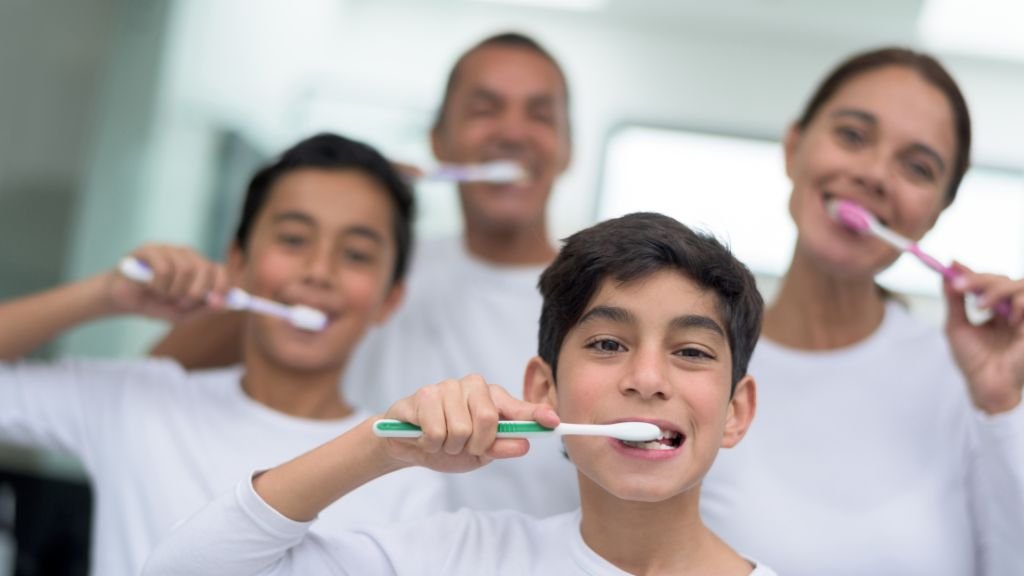
Studies suggest that you should brush your teeth before breakfast to neutralise accumulated bacteria, or alternatively wait at least 60 minutes after a meal to avoid permanent enamel damage.
However, understanding why the timing involves complex interactions and how a simple decision can be an effective preventive dentistry measure is what we shall discuss in this article.
Understanding the Oral Biofilm
To determine the optimal time to brush your teeth, one must consider the physiological environment of our mouth upon waking.
- During sleep, saliva production slows significantly, leading to a natural state of xerostomia, or dry mouth.
- Without the continuous rinsing and antibacterial action of saliva, dental biofilm proliferates on the surfaces of our teeth.
- If an individual consumes food before removing the biofilm, the bacteria immediately begin metabolising sugars and starches.
This metabolic process produces acid as a waste product, which initiates demineralisation, in which essential minerals from tooth enamel are lost.
Why Timing Matters in Preventive Dentistry
The structural integrity of the tooth depends on the pH balance. Notably, the critical pH level for our tooth enamel is 5.5.
The Pre-Breakfast Logic
By choosing to brush your teeth immediately upon waking, you achieve two clinical goals:
- Mechanical Debridement: You physically remove the bacterial colonies before they can produce acid.
- Fluoride Pre-loading: You apply fluoride to the enamel, facilitating remineralisation before the acid impact begins. This is a cornerstone of effective preventive dentistry.
The Post-Breakfast Risk
Conversely, consuming acidic foods such as orange juice, fruit, or coffee lowers the oral pH. This causes the enamel to enter a temporary state of demineralisation, which softens the tooth surface.
- If you brush your teeth while the enamel is in this softened state, the mechanical action of the bristles can lead to dental abrasion.
- Over time, this cumulative loss can manifest as a non-carious cervical lesion, which often appears as a small hole in gum margins.
How To Brush Your Teeth Optimally
To maintain high standards of oral hygiene and support the goals of preventive dentistry, patients should adopt the following evidence-based approach:
- Select a soft-bristled toothbrush and apply a pea-sized amount of fluoridated toothpaste to effectively brush your teeth.
- Utilise the Modified Bass Technique by positioning the brush at a 45-degree angle to the gum line.
- Apply gentle, circular motions to reach the shallow space between the tooth and the gum, where biofilm often accumulates.
- Systematically move through all zones for at least 2 minutes in total.
- Avoid aggressive scrubbing, as this mechanical force can wear enamel and increase the likelihood of emergency dental care for sensitivity.
Mistakes To Avoid When You Brush Your Teeth
It is common for patients to inadvertently adopt habits that counteract their hygiene goals. Recognising these errors is the first step toward a more resilient smile.
1. Excessive Manual Pressure
Many people believe that scrubbing harder results in cleaner teeth. In reality, aggressive pressure causes a gingival recession . This can eventually manifest as a visible hole in gum tissue borders.
We Suggest: Holding your toothbrush with your fingertips rather than your palm to reduce force, or switch to an electric brush with a built-in pressure sensor.
2. Immediate Post-Acid Brushing
Brushing right after drinking orange juice or coffee is a common mistake that can lead to enamel thinning.
We Suggest: If you cannot wait sixty minutes, simply rinse with plain water and wait for your next dental check up and clean to have a professional assessment of your enamel.
3. Rinsing Away the Benefits!
Rinsing with water or mouthwash immediately after brushing washes away the fluoride that prevents a hole in gum decay.
We Suggest: Waiting at least thirty minutes before drinking water or using mouthwash after you brush your teeth.
4. Overlooking the Interproximal Spaces
Brushing only cleans about sixty percent of the tooth surface. Neglecting the spaces between teeth is a common cause for emergency dental care due to hidden cavities.
We Suggest: Incorporating flossing or interdental brushes into your nightly routine as part of your comprehensive preventive dentistry plan.
Learn the Science of Correct Oral Hygiene
Strategic timing remains the foundation of preventive dentistry. Whether you choose to brush your teeth upon waking to neutralise nocturnal bacteria or observe a 60 minute delay, the objective is preserving the enamel integrity.
So, if you found this article helpful, let your little ones learn the best ways of brushing and flossing their teeth too. And if your family needs insightful guidance on maintaining smiles, Your Healthy Smile Dentists at 154 Bennett Road are here to guide you.
FAQs
Q1. Does coffee stain my teeth more if I brush before drinking it?
Actually, no. Plaque is highly porous and absorbs pigments from coffee and tea. By choosing to brush your teeth before your morning caffeine, you remove the plaque that the stains would otherwise cling to.
Q2. Is it safe to drink water before I brush my teeth in the morning?
Yes. Drinking water can help rinse away some loose bacteria and hydrate the mouth, which is beneficial if you suffer from xerostomia or dry mouth.
Q3. Why do my gums bleed during my morning brush?
Bleeding is typically a sign of gingivitis. Rather than stopping, continue brushing your teeth gently. If the bleeding persists for more than a week, it is a sign that you need a professional dental check up and clean.
Q4. Is an electric toothbrush better for preventing a hole in gum margins?
Electric brushes often have pressure sensors that alert you when you scrub too hard. This is highly effective in preventing the abrasion that leads to a hole in gum.
Q5. Is it okay to use charcoal toothpaste for my morning brush?
Charcoal toothpaste is often too abrasive for daily use and can accelerate enamel thinning. It is better to use a standard fluoride toothpaste to brush your teeth.
Reviewed By Dr. Lekha Menon