
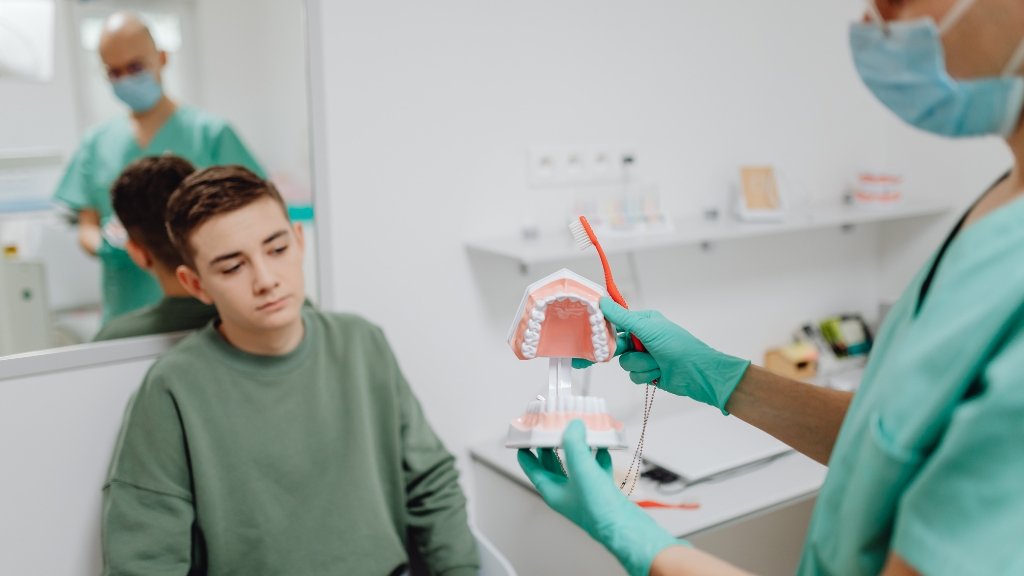
For many, dental anxiety is about past experiences, uncertainty, and exaggerated visuals hyped by our favourite tv shows and movies. Modern preventive dentistry recognises this.
That is why, as a part of our World Oral Health Day awareness drive, we guide you on how to help dental anxiety and how to manage dental anxiety.
What We’ll Cover In This Blog
|
Focus Area |
What It Involves |
How It Helps Reduce Dental Anxiety |
|
1. Physiological Regulation |
Controlled breathing, muscle relaxation, limiting stimulants |
Lowers sympathetic nervous system activation and physical stress before your treatment begins |
|
2. Clear Communication & Predictability |
Step-by-step explanations, agreed stop signals, informed consent |
Restores sense of control and reduces fear caused by uncertainty |
|
3. Effective Pain Management |
Advanced local anaesthesia techniques, topical numbing, slow delivery systems |
Minimises fear of injections or procedural pain |
|
4. Sedation & Supportive Techniques |
Nitrous oxide, oral anxiolytics (when clinically appropriate), distraction methods |
Provides additional support for a more intense dental anxiety |
|
5. Psychological Interventions |
Cognitive Behavioural Therapy (CBT), graduated exposure, cognitive reframing |
Addresses conditioned fear responses and restructures your thinking patterns |
|
6. Preventive Dentistry |
Regular examinations, professional cleaning, early intervention |
To reduce the likelihood of invasive procedures and ER visits |
|
7. Post-Treatment Recovery Planning |
Personalised instructions and guidance |
Reduces uncertainty and builds a healthy confidence |
1. Does your heart race before your appointment?
Sensations from anticipatory anxiety are often stronger than from the treatment itself.
Apart from experiencing, when we even imagine a stressful event, the body activates its ‘fight or flight’ response (the body’s cortisol release system). Your heart beats faster, muscles tense, and breathing becomes shallow. Managing this phase is crucial in learning how to manage dental anxiety.
To calm this:
- Practise slow breathing by breathing in through your nose for 4 seconds, out with your mouth for 6 seconds. Doing this for about 5 minutes activates the parasympathetic nervous system (your body’s natural calming system).
- Avoid too much caffeine on the day of your appointment, as it can increase jitters.
2. Do you worry about not being in control?
Feeling trapped in a dental chair can heighten dental anxiety.
You can reduce this by agreeing on a simple stop signal before treatment begins. For example, raising your hand or tapping the chair handle is often suggested by Your Healthy Smile Dentists.
You can also request:
- Step-by-step explanations before the procedure.
- Short breaks between stages.
This helps because when you understand what is happening and how long it will take, your brain feels safer.
3. Are injection needles your biggest fear?
Fear of needles is common, valid, and misplaced in modern times.
The good news is that modern local anaesthesia protocols are highly refined today. We use a topical gel first to numb the surface before the injection.
You may feel slight pressure, but sharp pain should not occur. If you are particularly anxious, ask about options such as:
- Nitrous oxide to help you feel relaxed while remaining awake.
- Prescription for medication to reduce anxiety before your visit.
4. Are you afraid treatment will hurt afterwards?
Post-treatment discomfort is usually mild and temporary. And when you are made aware of how to manage it, anxiety decreases.
Dentists now use minimally invasive techniques and topical anaesthetics before needle usage. In this case, knowing that options exist often reduces fear for you. Also, the slow-delivery systems of the dental treatment procedures are designed to specifically decrease the pressure discomfort.
In any case, you will also receive clear aftercare instructions, such as:
- Taking anti-inflammatory medication if applicable.
- Using cold compresses to reduce swelling.
5. Did you have a negative dental experience in the past?
Past experiences can indeed create strong emotional memories. Your brain may link dental sights or sounds to a repressed memory that you didn’t even know existed!
In such situations, graduated exposure is highly effective. Start with a simple consultation with a short examination to gain basic insights.
This is not avoidance, it is systematic retraining of your stress response:
- Cognitive Behavioural Therapy is particularly effective for dental phobia. It identifies catastrophic thinking patterns and replaces them with balanced, evidence-based interpretations.
- You can even avail yourself the benefits of first-time offers.
6. Visiting only when something begins hurting?
Pain creates urgency, urgency increases stress, stress heightens perception of discomfort, and this becomes a cycle until it finally leads us to an ER visit.
This is where preventive dentistry plays a transformative role for you. Regular examinations allow early detection of caries, periodontal inflammation, and enamel demineralisation before symptoms escalate.
Preventive dentistry measures typically involve:
- Professional prophylaxis to reduce bacterial biofilm.
- Fluoride therapy to enhance remineralisation.
- X-rays to detect hidden decay.
- Early management of gum inflammation.
Remember, smaller problems mean simpler treatments and simpler treatments mean less stress. Over time, the brain associates dental visits with simple maintenance visits.
7. Feeling embarrassed about the condition of your teeth?
Embarrassment often prevents people from seeking help. But you must remember that dental professionals see a wide range of oral health conditions every day. Our role is clinical, never judgemental, and that we are here for you.
Openly discussing your concerns allows:
- Prioritising urgent issues first.
- Creating a staged treatment plan to suit your comfort level and your budget.
To summarise, dental anxiety is common, and it does not mean you are weak; it simply means that your body is responding to uncertainty. With the right strategies and compassionate care, your dental treatment is completed with ease.
But if you are still unsure, don’t worry, Your Healthy Smile Dentists are here to support you.
We believe that every confident smile begins with one small decision and that small decision begins with a personalised consultation. So, call (02) 9670 6991 to learn how to manage dental anxiety in a supportive environment where our team guides you gently throughout the process.
FAQs
Q1. Is dental anxiety the same as dental phobia?
No. Dental anxiety refers to nervousness or worry, while dental phobia is a more severe, persistent fear that may cause complete avoidance of dental care and can trigger panic symptoms.
Q2. What causes dental anxiety in adults?
Dental anxiety is often caused by past negative experiences, fear of pain, loss of control, embarrassment about oral health, or hearing distressing stories from others. In some cases, it is linked to generalised anxiety disorders or specific phobias.
Q3. How common is dental anxiety?
Dental anxiety is very common. Studies suggest that a significant portion of adults experience moderate anxiety, while a smaller percentage experience severe dental phobia that interferes with treatment.
Q4. Can dental anxiety cause panic attacks?
Yes. For some individuals, being in the dental chair may trigger rapid breathing, dizziness, sweating, or heart palpitations (all signs of a panic response).
Q5. Is dental anxiety linked to general anxiety disorders?
It can be. Individuals with general anxiety, social anxiety or post-traumatic stress may experience heightened dental fear.
Q6. How can I calm myself before a dental appointment?
Practising slow breathing exercises, avoiding caffeine, listening to calming music, scheduling morning appointments, and discussing concerns with your dentist beforehand can significantly reduce anxiety.
Q7. How do I tell my dentist that I am scared?
Be direct and honest. Dental professionals are trained to manage anxious patients and can adjust communication style, pacing and comfort measures accordingly.
Q8. Can children develop dental anxiety easily?
Yes. Children may develop anxiety from unfamiliar environments, fear of separation from parents or negative stories. Early, positive experience-led visits help prevent long-term fear.
Q9. Can breathing exercises really reduce dental anxiety?
Yes. Slow, controlled breathing activates the body’s calming system (parasympathetic response), lowering heart rate and muscle tension.
Q10. Can I bring someone with me to my dental appointment?
In many cases, yes. Having a trusted person present or nearby can provide reassurance and emotional support during treatment.
Reviewed By Dr. Lekha Menon