
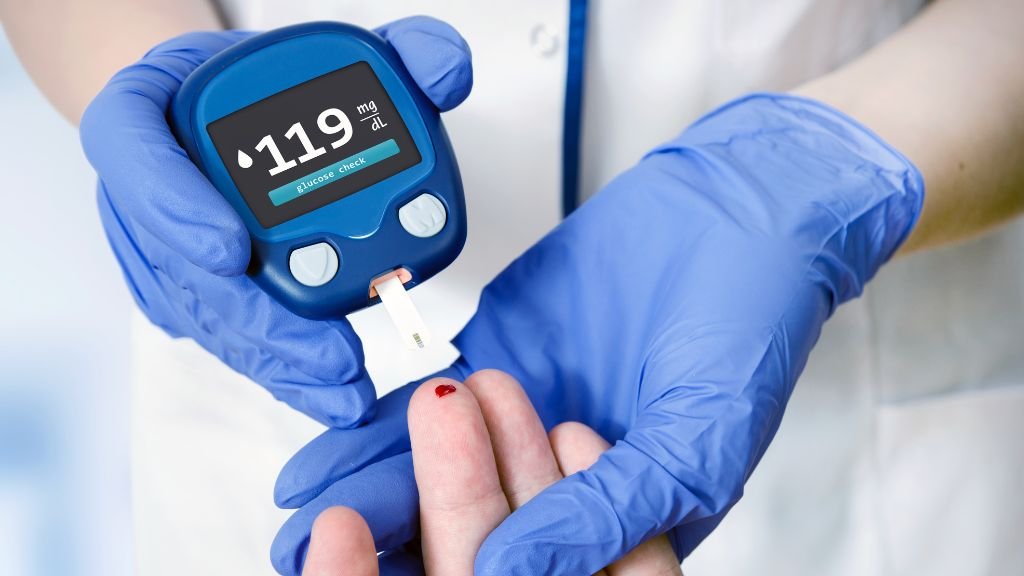
Did you know? Diabetes increases the risk of gum disease, tooth decay, dry mouth, infections, delayed healing and reduced immunity if neglected for even a shorter period. That is why, living with diabetes requires a careful approach to overall health. And that surprisingly begins with your oral hygiene.
As a part of World Oral Health Day awareness drive, join us as we discuss the role of preventive dentistry on your sugar levels.
Understand The Metabolic–Oral Connection First
Did you know your dentist can sometimes detect signs of unstable diabetes before you feel unwell?
Diabetes affects small blood vessels throughout your body. These vessels supply nutrients and oxygen to your gum tissues. When circulation is compromised, your gums receive far fewer resources to repair and defend themselves, which makes them more vulnerable to bacterial attack and slower to recover.
Also, there is a significant interrelation at play where high blood glucose levels increase the risk of oral disease, while untreated gum disease can make your blood sugar much harder to manage. This link between diabetes, gums, and teeth also highlights how it influences circulation, immune response, saliva production, and inflammation.
This means:
- High blood glucose weakens gum tissue defence.
- Dry mouth increases cavity risk.
- Periodontal inflammation affects insulin response.
Now, let’s understand how prevention improves both oral and your overall, systemic health.
1. Heightened Inflammation With Periodontitis
Are your gums bleeding more than they should?
High blood glucose levels increase inflammatory response and significantly reduce your body’s ability to fight bacteria. And what is one of the earliest and most common signs of trouble? It’s bleeding gums.
In this case, the plaque irritates the gums more aggressively, leading to gingivitis and, if untreated, periodontitis. However, early periodontal care reduces bacterial load and supports metabolic stability.
A structured preventive dentistry approach can include:
- Professional scaling and periodontal therapy.
- Three to six-monthly dental check up and clean.
- Daily interdental cleaning.
- Prescribed antimicrobial rinses.
Many are surprised to learn that when periodontal inflammation is reduced, blood sugar control often becomes easier as well.
2. Slower Healing After Dental Procedures
Do cuts or ulcers take longer to heal than they used to?
Diabetes can impair blood circulation and immune response. This means wounds inside the mouth (even minor ones) may take longer to heal. And the culprit here is unstable glycaemic control.
Focus on prevention by:
- Scheduling treatment when HbA1c levels are stable.
- Reducing infection risk through early intervention.
- Prioritising non-invasive care whenever possible.
3. Loss of Natural Defence
Does your mouth feel constantly dry, especially at night?
Saliva protects enamel by neutralising acids and supplying calcium and phosphate for remineralisation. In dry mouth, or xerostomia (common in people with diabetes), elevated glucose levels and certain medications reduce the saliva flow.
Without sufficient saliva:
- Tooth decay risk increases.
- Gums become irritated.
- Fungal infections develop more easily.
In this case, strengthening your enamel is essential when managing diabetes, gums and teeth for a longer period. We suggest choosing a high-fluoride toothpaste for enamel protection, sugar-free saliva substitutes, and xylitol-containing gum as a better replacement.
4. Increased Risk of Tooth Decay
Are cavities appearing more frequently despite brushing?
Higher glucose levels in saliva feed acid-producing bacteria. Combined with dry mouth, this creates a perfect environment for decay. Today, where refined carbohydrates and sweetened drinks are common, the risk increases further.
Dentally approved strategies include:
- Twice-daily brushing with fluoride toothpaste.
- Professional fluoride varnish application.
- Reducing snacking frequency.
- Choosing low-GI food alternatives.
When the causative agent is sugar exposure and acid production, consistent fluoride exposure strengthens enamel and reduces the impact of bacterial acids.
5. Oral Fungal Infections (Thrush)
Noticing white patches or a burning sensation in your mouth?
People with diabetes are more susceptible to oral candidiasis (thrush). This is because elevated glucose encourages fungal growth, particularly in denture wearers. You must also note that uncontrolled blood sugar can worsen gum disease because it is a cycle.
Symptoms for oral thrush may include:
- White patches on the tongue.
- Redness or burning.
- Cracks at the corners of the mouth.
If these issues become repetitive, a thorough dental check up and clean session helps detect enamel changes and tissue abnormalities before they escalate.
Your Mouth Can Signal Trouble Early
Subtle oral symptoms can appear early, these include persistent gum tenderness, shifting teeth, recurrent mouth ulcers or unusual bad breath that signals systemic inflammation or unstable glucose control.
This matters more than many realise because inflammation releases mediators into the bloodstream. These mediators can interfere with insulin sensitivity and make your condition even more unpredictable.
Simply, unhealthy gums can make diabetes harder to manage, and unstable diabetes can make gum disease worse, i.e., it becomes a loop.
Act Before Pain Arrives
Pain is usually a late sign. By the time discomfort appears, bone loss or tissue damage may already be underway. This is where prevention becomes a strategic step. And that is why Your Healthy Smile Dentists focus on structured preventive dentistry measures to protect your overall health.
Call (02) 9670 6991 to book your comprehensive dental check-up and clean session, where we give you insights based on your condition.
FAQs
Q1. Why do my gums bleed more when my blood sugar is high?
High glucose levels increase inflammatory chemicals in the body. This makes gum tissue more sensitive to plaque bacteria, leading to swelling and bleeding.
Q2. Are people with diabetes more prone to cavities?
Yes. Higher glucose levels in saliva feed acid-producing bacteria. Combined with dry mouth, this increases cavity risk.
Q3. What is the link between diabetes and oral thrush?
People with diabetes are more susceptible to fungal infections like oral candidiasis because excess glucose creates an environment where fungi grow more easily.
Q4. Does high HbA1c affect my dental treatment outcomes?
Yes. Poorly controlled HbA1c levels increase infection risk and delay healing after procedures such as extractions or periodontal therapy.
Q5. Are children with type 1 diabetes at risk of gum problems?
Yes. Children and teenagers with poorly controlled type 1 diabetes may experience increased gum inflammation and early periodontal changes.
Q6. Can controlling blood sugar reverse gum disease?
Early gum disease (gingivitis) can be reversed with improved oral hygiene and stable glucose levels. Advanced periodontitis requires professional treatment.
Reviewed By Dr. Lekha Menon